Best Compression Boots 2026: Compared Head-to-Head
We compared the top pneumatic compression boots for recovery: Normatec 3 and Therabody JetBoots Prime. Find the right fit for your recovery routine.
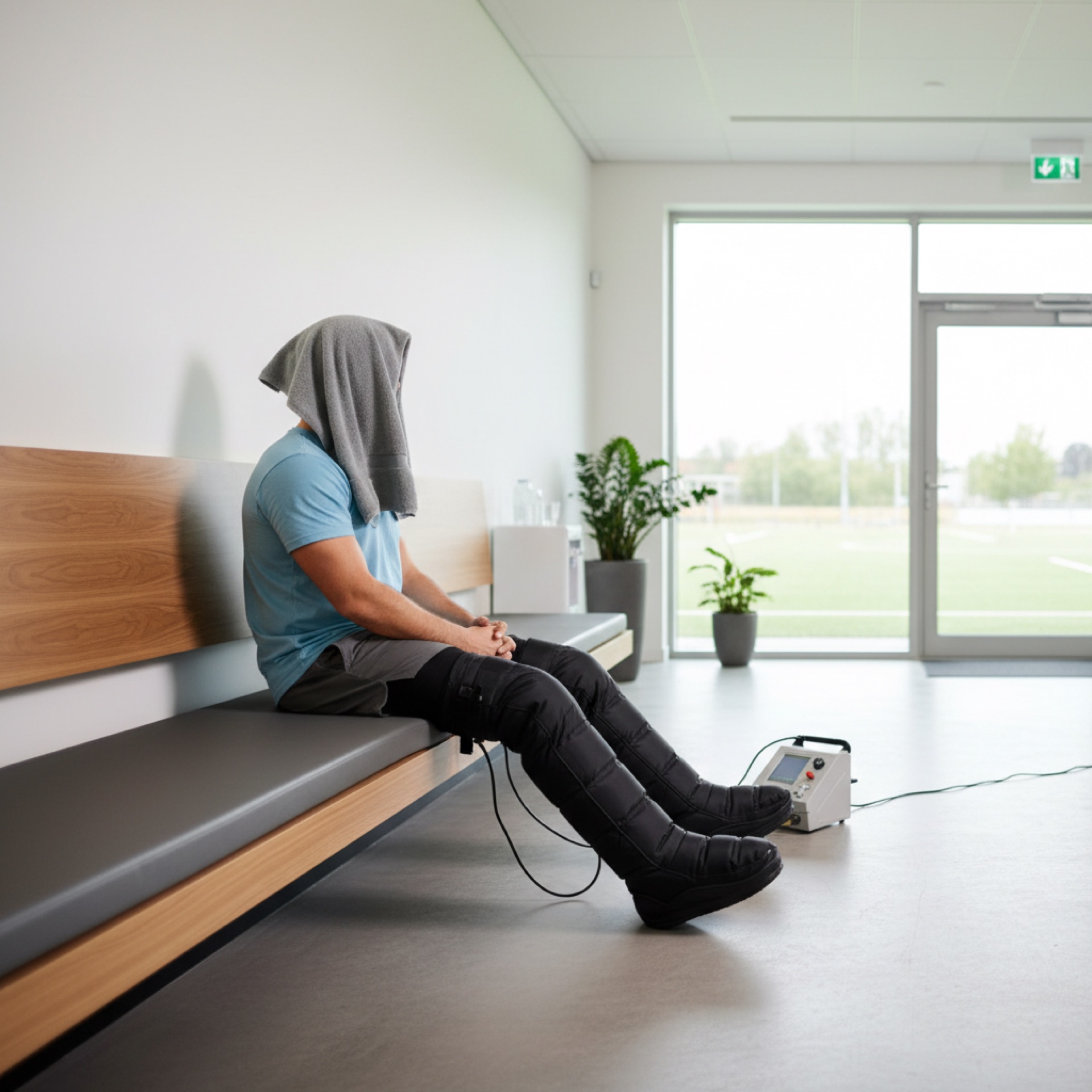
Best overall: Hyperice Normatec 3. ZoneBoost dynamic compression, 7 pressure levels, app-connected, and the system most widely used by pro sports teams.
Top 2 picks for 2026:
- Normatec 3 (Hyperice, $899): best overall, ZoneBoost technology with 7 levels and a refined fit honed over 5+ hardware generations
- JetBoots Prime (Therabody, $550): best wireless, cordless rechargeable units that pack down small and run 2 hours per charge
Pneumatic compression boots use air chambers to sequentially squeeze your legs, mimicking the body’s natural circulation to flush metabolic waste and reduce swelling. Once found only in professional sports facilities and physical therapy clinics, they’ve become increasingly accessible for home use.
We reviewed the two leading compression systems to help you decide which one fits your recovery needs and budget.
New to compression therapy? Start with our beginner’s guide to compression therapy to understand how it works and what to expect. For a direct comparison of the top two systems, see Normatec 3 vs JetBoots Prime.
Our Top Picks
Detailed Reviews
1. Normatec 3
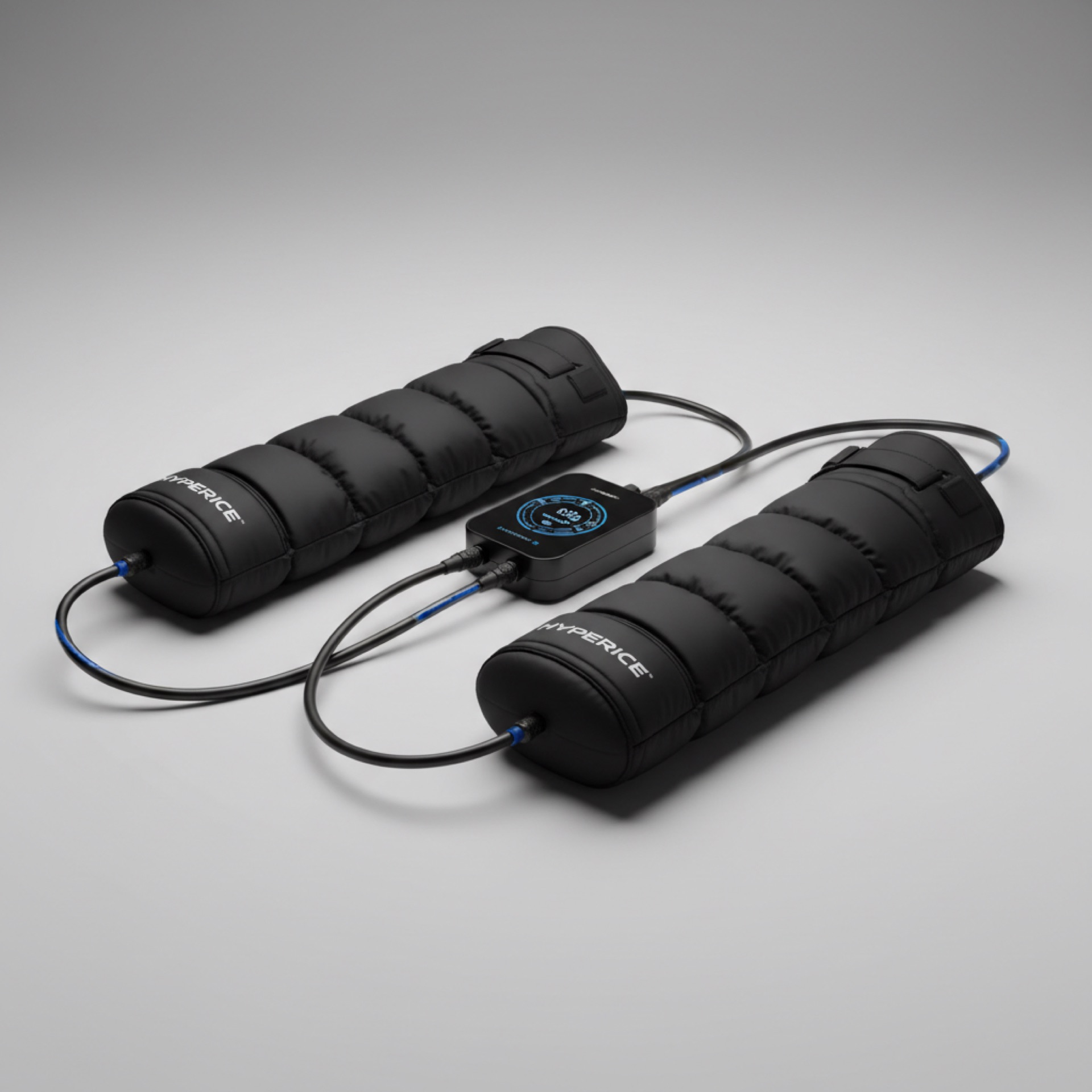
Normatec 3
$899
Pros
- Patented Pulse Technology with dynamic compression
- 7 intensity levels with zone-specific control
- Bluetooth app with custom routines
- Compact, portable control unit with battery (~3 hours)
- 5 overlapping chambers for seamless compression
- Trusted by pro athletes and sports teams
Cons
- Most expensive option at $899
- App needed for full customization
- 1-year warranty
The Normatec 3 is the most well-known compression system on the market, (Hyperice’s flagship). Hyperice’s patented Pulse Technology uses a pulsing, wave-like compression pattern rather than a simple squeeze-and-hold, which many users report feels more natural and effective.
With 7 intensity levels and zone-specific control through the Hyperice app, you can target specific areas, increasing pressure on your calves while keeping it lighter on your feet, for example. The control unit is compact and battery-powered, making it portable.
The $899 price tag is the main barrier. But if compression therapy is a regular part of your recovery routine, the Normatec 3 is the system others are compared to.
2. Therabody JetBoots Prime
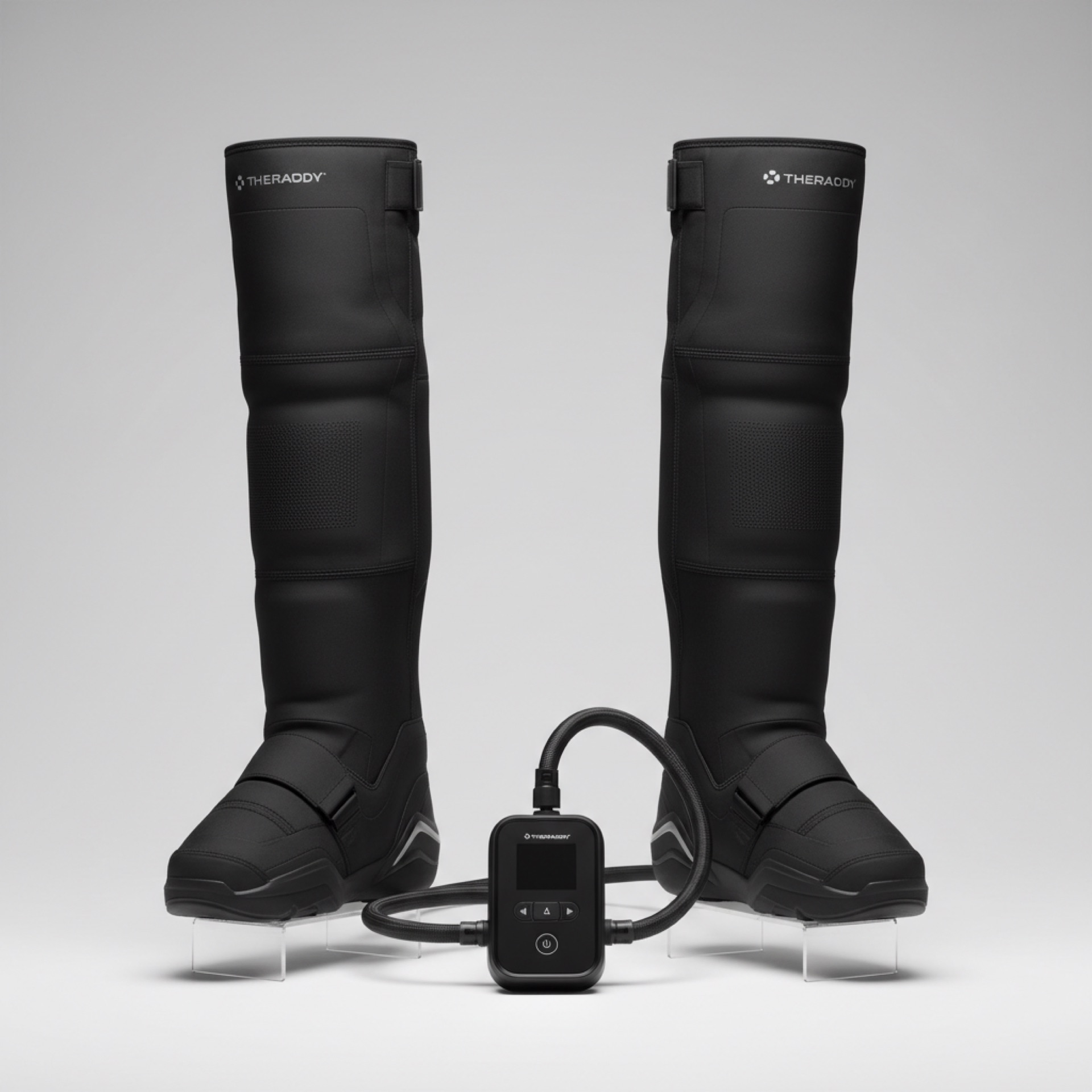
Therabody JetBoots Prime
$550
Pros
- Fast inflation and deflation cycles
- Therabody app integration with guided routines
- Sleek, lightweight boot design
- 4 intensity levels
- Overlapping chamber technology
- Good build quality and materials
Cons
- Fewer intensity levels than Normatec (4 vs 7)
- Less established in compression therapy market
- Control unit slightly larger than Normatec
- Still a significant investment at $550
Therabody, the company behind Theragun, entered the compression market with the JetBoots line, and the Prime model competes directly with the Normatec. It offers fast inflation cycles, decent customization through the Therabody app, and a sleek boot design that’s comfortable to wear.
The JetBoots Prime uses overlapping chambers for smooth compression transitions, and the Therabody app provides guided recovery sessions. If you’re already in the Therabody ecosystem (owning a Theragun, for example), having everything in one app is a nice convenience.
At $550, it’s about $350 less than the Normatec 3, but offers fewer intensity levels (4 vs 7) and less granular zone control. The Normatec has more intensity levels and finer zone control.
Side-by-Side Comparison
| Feature | Normatec 3 | JetBoots Prime |
|---|---|---|
| Price | $899 | $550 |
| Compression Type | Pulse Technology (dynamic) | Sequential (overlapping) |
| Intensity Levels | 7 | 4 |
| Zone Control | Per-zone via app | Via app |
| Power Source | Rechargeable battery (~3 hr) | Rechargeable battery |
| Session Time | 20-60 min (customizable) | 20-60 min |
| Boot Sizes | S, M, L | S/M, L/XL |
| Bluetooth App | ||
| Portability | Highly portable | Portable |
| Warranty | 1 year | 1 year |
Who Should Buy Which
Matching the right system to your needs and budget.
- Serious athletes and daily users: The Normatec 3 gives you the most control. Seven intensity levels, per-zone targeting through the app, and a portable battery-powered unit. If compression is a core part of your recovery, this is the standard.
- Therabody ecosystem users: The JetBoots Prime integrates with the Therabody app alongside your Theragun. Similar performance for $200 less, with 4 intensity levels and overlapping chambers.
Quick Tips
- Start with the lowest intensity and a 20-minute session. Reduce intensity if you feel uncomfortable pressure.
- Use within 1-2 hours after training for the best recovery effect.
- Raise your legs slightly during sessions for optimal blood flow.
- Stay hydrated. Compression helps move fluids, and water supports the process.
- Aim for 3-5 sessions per week for consistent results.
- Clean boot liners regularly, especially if you use them without pants.
- Avoid use if you have DVT, acute leg infections, uncontrolled heart failure, or open wounds.
Frequently Asked Questions
Do compression boots actually work?
Research supports the use of pneumatic compression for reducing perceived muscle soreness, decreasing swelling, and improving range of motion after intense exercise. A 2018 meta-analysis in Frontiers in Physiology found that compression therapy improved recovery markers compared to passive rest. While individual results vary, the consensus among sports medicine professionals is that compression is a useful recovery modality.
How long should a compression boot session last?
Most manufacturers recommend 20-30 minute sessions. Some athletes use 45-60 minute sessions on rest days or recovery-focused days. There’s no strong evidence that longer sessions provide significantly better results, so start with 20 minutes and adjust based on how you feel.
Normatec vs Therabody JetBoots - which is better?
The Normatec 3 has more intensity levels (7 vs 4), more granular zone control, and Hyperice’s patented Pulse Technology. The JetBoots Prime is $200 less and integrates with the Therabody ecosystem. For pure compression performance, the Normatec 3 edges ahead. If you already own Therabody products and want app consolidation, the JetBoots is a reasonable alternative.
Is the JetBoots Prime worth $200 less than the Normatec?
If you already own Therabody products and want everything in one app, yes. The JetBoots Prime delivers solid sequential compression with overlapping chambers and a clean app experience. The trade-off is fewer intensity levels (4 vs 7) and less granular zone control than the Normatec. For most home users who aren’t training daily at a competitive level, that difference is small in practice.
Our Verdict
The Normatec 3 is the best home compression system we’ve compared. Its Pulse Technology, customization options, and portable design set it apart. The JetBoots Prime is a close second, especially if you’re invested in the Therabody ecosystem.
Compression boots work well alongside other recovery tools. For upper-body muscle relief, pair them with a massage gun. And for a comprehensive recovery routine that includes heat and cold exposure, see our contrast therapy protocol.
Related Articles
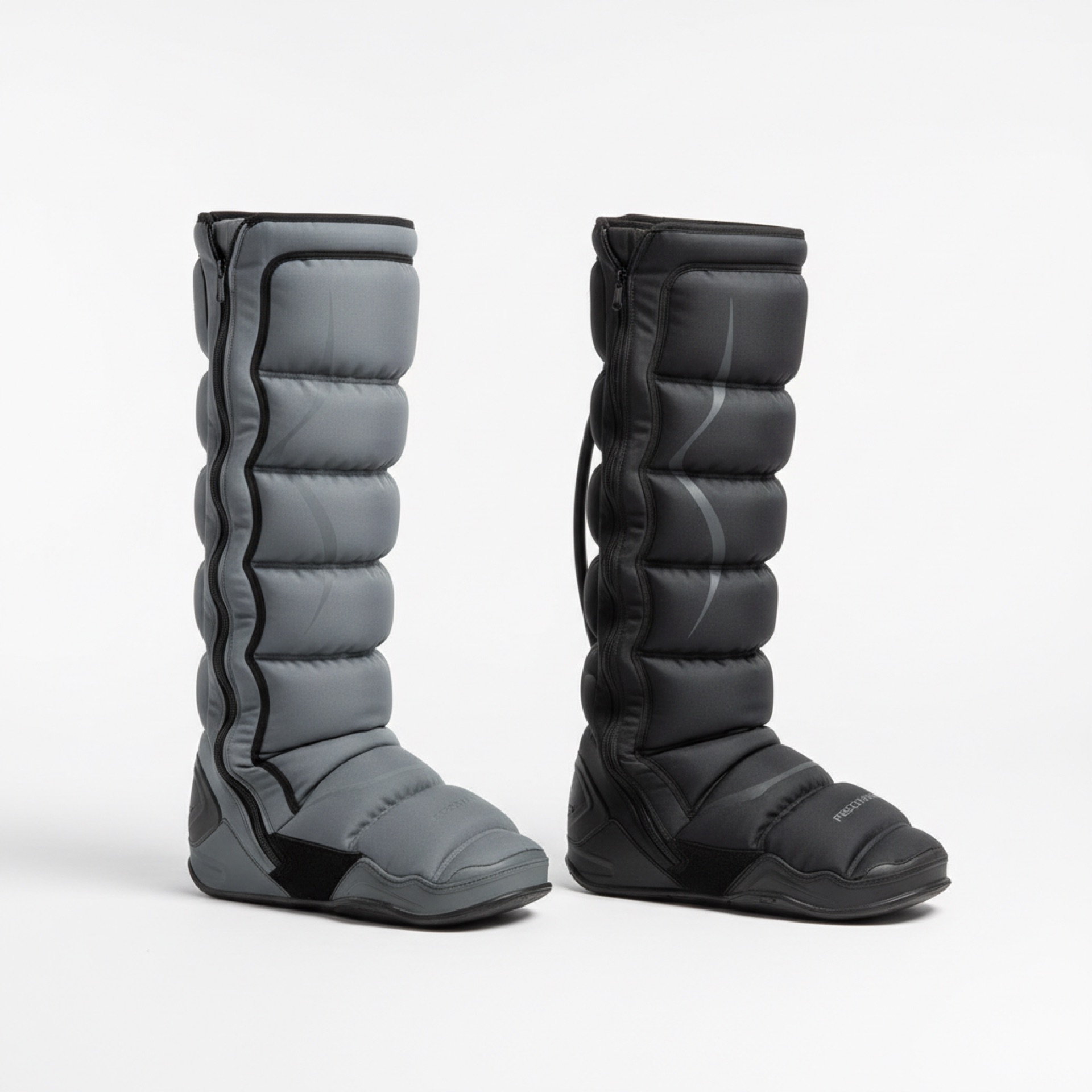
Normatec 3 vs JetBoots Prime: Which Compression Boots Are Worth It?
A detailed comparison of the Normatec 3 and Therabody JetBoots Prime. We compare compression technology, intensity levels, app features, portability, price, and who each system is best for.
What Is Compression Therapy? A Beginner's Guide
Learn how pneumatic compression boots work, what benefits they offer, and whether they're worth the investment.
Best Home Saunas 2026: Top Infrared Saunas Compared
We compare eight infrared saunas for home use, from a $2,099 budget cabin to full-spectrum and outdoor-rated models with built-in red light therapy.